
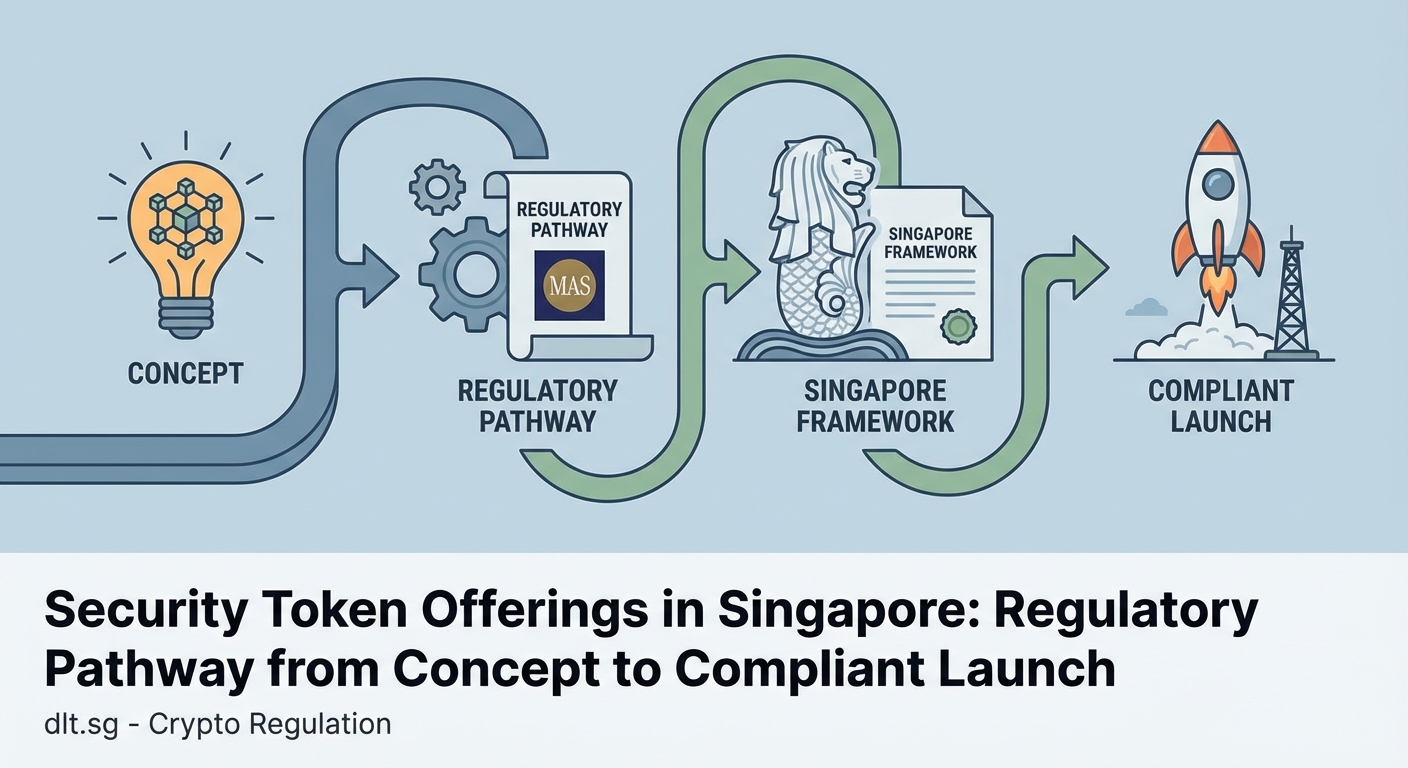
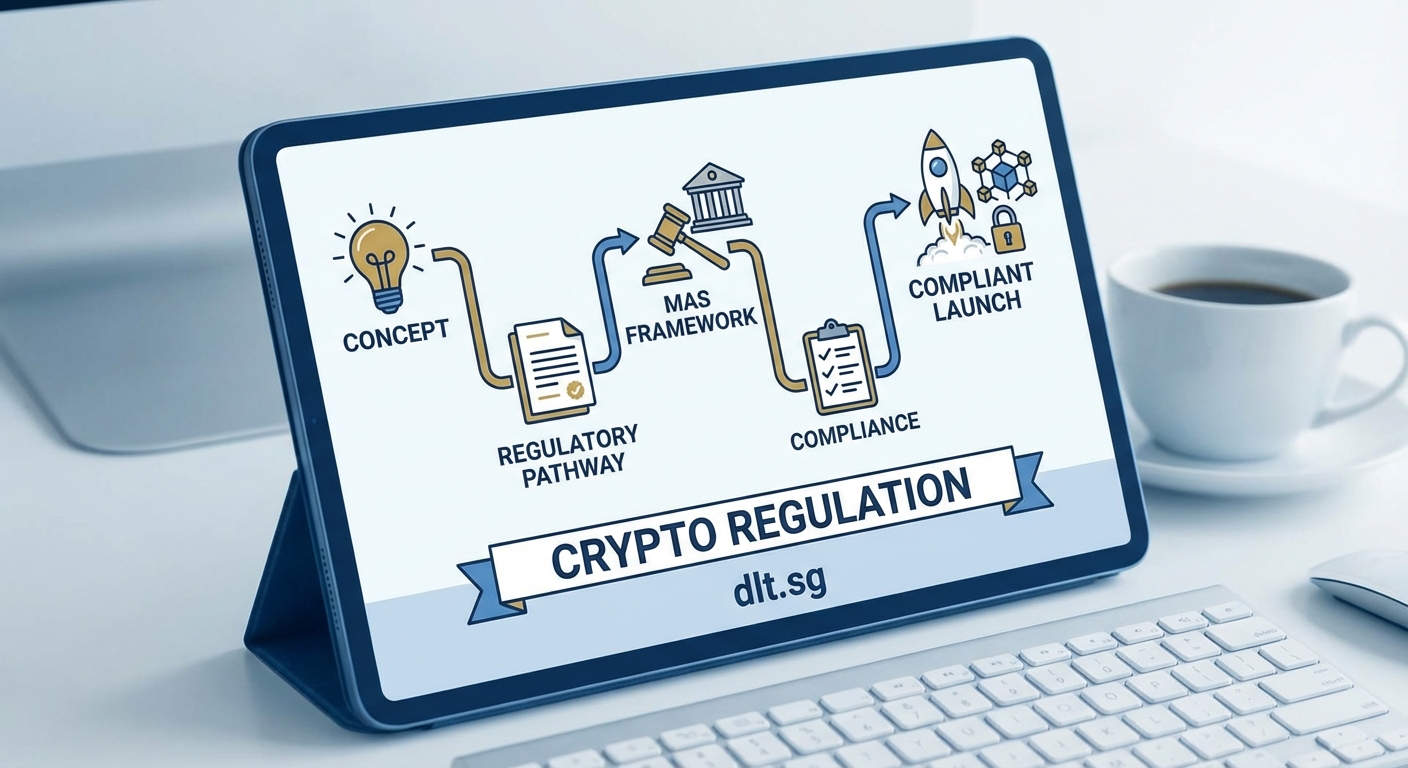
Singapore’s security token offering framework requires strict compliance with the Securities and Futures Act and oversight by the Monetary Authority of Singapore. Issuers must obtain appropriate licenses, conduct thorough legal assessments, implement robust investor verification processes, and maintain ongoing regulatory reporting. The pathway from concept to launch typically spans six to twelve months and demands coordination between legal, technical, and compliance teams to ensure full regulatory adherence.
Launching a security token offering in Singapore means navigating one of Asia’s most sophisticated financial regulatory environments. The city-state has built a reputation for balancing innovation with investor protection, creating a framework that welcomes blockchain-based capital formation while maintaining strict oversight.
The Monetary Authority of Singapore (MAS) treats digital tokens that represent ownership, debt, or profit-sharing rights as securities under existing laws. This classification triggers comprehensive compliance obligations that many blockchain entrepreneurs underestimate.
Getting it right requires understanding how traditional securities regulations apply to tokenized assets, what licenses you need, and how to structure your offering to meet both legal and technical requirements.
Understanding Singapore’s Securities Framework for Digital Tokens
Singapore doesn’t have separate legislation for security tokens. Instead, the Securities and Futures Act (SFA) and Financial Advisers Act (FAA) govern these instruments just like traditional securities.
The MAS applies the Howey Test principles to determine whether a token qualifies as a security. If your token represents investment returns derived primarily from the efforts of others, it falls under securities regulation.
This classification has major implications. You can’t simply issue tokens and hope for the best. You need proper authorization, disclosure documents, and ongoing compliance infrastructure.
The regulatory perimeter includes:
- Capital Markets Services licenses for token issuance and trading
- Prospectus requirements or exemption qualifications
- Anti-money laundering and countering financing of terrorism obligations
- Investor suitability assessments and accreditation verification
- Ongoing reporting and disclosure duties
Many projects assume they can structure around these requirements. That approach rarely works and often leads to enforcement action.
Determining Your License Requirements
Before you can legally offer security tokens in Singapore, you need the right authorizations from MAS.
Most issuers require a Capital Markets Services (CMS) license for dealing in securities. If you’re also providing advice about the tokens, you’ll need additional permissions under the Financial Advisers Act.
The license categories that typically apply:
| License Type | When Required | Typical Timeline |
|---|---|---|
| Dealing in Securities | Issuing or facilitating token sales | 6-9 months |
| Fund Management | Managing pooled token investments | 6-12 months |
| Providing Custodial Services | Holding tokens on behalf of investors | 6-9 months |
| Financial Advisory | Recommending token investments | 4-6 months |
The application process demands substantial documentation. MAS wants to see your business plan, financial projections, compliance manuals, technology architecture, and background checks on all key personnel.
You’ll need a physical office in Singapore, adequate capital reserves, and qualified representatives who hold the necessary professional qualifications.
Many international projects establish a Singapore subsidiary specifically to house these licensed activities. This structure separates regulated functions from other business operations and simplifies compliance.
Working with What Singapore Banks Are Actually Doing with Blockchain Technology can provide insights into how established financial institutions approach tokenization within the regulatory framework.
Structuring Your Token and Offering Documents
How you design your security token determines which regulations apply and what exemptions you might access.
Singapore offers several prospectus exemptions that reduce disclosure burdens for certain offerings. The most commonly used exemptions include offers to institutional investors, accredited investors, or small offerings under SGD 5 million within 12 months.
Each exemption has specific conditions. The small offer exemption, for example, limits you to 50 investors and prohibits general advertising. Break these rules and you’ll need a full prospectus registered with MAS.
Your token structure should address:
- Legal rights: What ownership, profit, or governance rights does the token confer?
- Transfer restrictions: How will you enforce securities law compliance on secondary transfers?
- Technical implementation: Does your smart contract architecture support regulatory requirements?
- Custody arrangements: Where and how will tokens be held?
- Corporate actions: How will dividends, voting, or other rights be administered?
The technical architecture matters as much as the legal structure. Many projects choose Public vs Private Blockchains: Which Architecture Fits Your Business Needs? based on compliance requirements rather than purely technical considerations.
Smart contracts must include compliance controls. You need mechanisms to verify investor eligibility, enforce transfer restrictions, and potentially freeze or recover tokens in case of fraud or regulatory orders.
Your token’s smart contract becomes part of your compliance infrastructure. Design it to enforce regulatory requirements automatically rather than relying solely on off-chain processes. This approach reduces operational risk and demonstrates regulatory commitment to MAS.
Implementing Know Your Customer and Anti-Money Laundering Controls
Singapore’s anti-money laundering framework applies fully to security token offerings. You must verify investor identities, assess risk profiles, and monitor transactions for suspicious activity.
The specific requirements depend on which licenses you hold, but all regulated entities must:
- Conduct customer due diligence before establishing business relationships
- Verify identities using reliable, independent source documents
- Screen investors against sanctions lists and politically exposed persons databases
- Assess and document money laundering and terrorism financing risks
- Monitor ongoing transactions for unusual patterns
- File suspicious transaction reports when warranted
- Maintain records for at least five years
For accredited investor exemptions, you need additional verification. Simply accepting self-declarations isn’t sufficient. You must obtain evidence like financial statements, net worth certifications from accountants, or income documentation.
Many issuers partner with specialized KYC providers who maintain databases of pre-verified investors. This approach streamlines onboarding while ensuring compliance standards.
Your AML program needs regular updates as regulations evolve. MAS expects you to conduct periodic risk assessments and adjust controls accordingly.
The How Singapore’s Payment Services Act Reshapes Digital Asset Compliance in 2024 framework intersects with securities regulation when your tokens involve payment functions or stablecoin elements.
Navigating the Step-by-Step Launch Process
Bringing a security token offering to market in Singapore follows a structured pathway. Rushing any stage creates compliance gaps that can derail your entire project.
Here’s the typical sequence:
-
Legal assessment and structure design (4-8 weeks): Determine token classification, select corporate structure, identify required licenses, and design compliance framework.
-
License applications (6-12 months): Prepare and submit CMS license applications, respond to MAS queries, establish local presence and governance.
-
Token development and audit (8-16 weeks): Build smart contracts with compliance controls, conduct security audits, test transfer restrictions and investor verification mechanisms.
-
Offering documentation (6-12 weeks): Draft prospectus or exemption materials, prepare subscription agreements, create investor disclosure documents, obtain legal opinions.
-
Technology platform setup (8-12 weeks): Deploy issuance infrastructure, integrate KYC/AML systems, establish custody solutions, implement transaction monitoring.
-
Investor onboarding (ongoing): Verify accreditation status, conduct due diligence, process subscriptions, distribute tokens to compliant wallets.
-
Post-issuance compliance (ongoing): File required reports with MAS, maintain investor communications, process secondary transfers, handle corporate actions.
The timeline varies based on complexity. A straightforward debt token offering to institutional investors might launch in nine months. A complex equity token with retail participation could take 18 months or longer.
Budget adequately for professional services. Legal, compliance, and technical costs typically range from SGD 200,000 to SGD 500,000 for a standard offering, excluding the ongoing operational expenses of maintaining licenses and compliance programs.
Understanding Real-World Asset Tokenization: How Traditional Businesses Are Entering Web3 provides context for how established companies approach this process with existing business operations and assets.
Managing Ongoing Regulatory Obligations
Your compliance work doesn’t end when tokens are distributed. MAS expects continuous adherence to regulatory standards throughout the token’s lifecycle.
Licensed entities must submit regular reports including:
- Annual financial statements audited by approved firms
- Quarterly business activity reports
- Material change notifications within specified timeframes
- Suspicious transaction reports as situations arise
- Investor complaint logs and resolution documentation
You’ll also need to maintain comprehensive records demonstrating compliance with all applicable regulations. MAS conducts periodic inspections and can request documentation at any time.
Secondary market trading creates additional obligations. If your tokens trade on platforms, you need to ensure those venues have appropriate licenses. Cross-border trading raises jurisdictional questions that require careful legal analysis.
Corporate actions like dividends, stock splits, or governance votes must follow securities law procedures. Your smart contract architecture should facilitate these activities while maintaining audit trails.
Technology changes require ongoing attention. As your blockchain infrastructure evolves, compliance controls must adapt. Regular audits of both smart contracts and operational processes help identify gaps before they become problems.
The Enterprise Blockchain Governance: Establishing Decision Rights and Accountability framework becomes particularly important as your token ecosystem grows and involves multiple stakeholders.
Common Pitfalls and How to Avoid Them
Most security token offering failures in Singapore stem from predictable mistakes. Learning from others’ errors saves time and money.
Watch out for these frequent problems:
-
Premature marketing: Promoting your offering before obtaining proper licenses or exemptions violates securities laws. Keep communications limited until your legal structure is solid.
-
Inadequate investor verification: Relying on self-certification for accredited investor status creates liability. Obtain documentary evidence and maintain verification records.
-
Smart contract inflexibility: Hardcoding terms that might need adjustment creates problems. Build in governance mechanisms for compliant modifications while preventing unauthorized changes.
-
Cross-border confusion: Assuming Singapore compliance covers other jurisdictions gets projects in trouble. Each market where you offer tokens has its own requirements.
-
Underestimating timelines: Rushing the license application or offering preparation leads to incomplete submissions and regulatory delays. Plan for longer timeframes than you initially expect.
-
Neglecting secondary markets: Focusing only on the initial offering while ignoring trading compliance creates ongoing legal exposure. Address the full token lifecycle from the start.
The table below outlines common mistakes alongside better approaches:
| Mistake | Better Approach |
|---|---|
| Using utility token language for securities | Accurately describe token rights and classify appropriately |
| Applying for wrong license category | Conduct thorough regulatory analysis before filing |
| Insufficient compliance staffing | Hire qualified compliance officers before launch |
| Weak KYC procedures | Implement institutional-grade verification systems |
| Ignoring tax implications | Engage tax advisors early in structure design |
Many projects benefit from Building a Business Case for Blockchain: ROI Metrics That Actually Matter analysis before committing to a security token offering. The regulatory costs and complexity mean tokenization must deliver clear value over traditional approaches.
Regional Considerations and Cross-Border Offerings
Singapore serves as a gateway to Southeast Asian capital markets, but regional expansion requires additional planning.
If you’re targeting investors across ASEAN markets, you’ll need to understand how Navigating Cross-Border Crypto Regulations Between Singapore and ASEAN Markets affects your offering structure.
Different jurisdictions take varying approaches to security tokens:
- Malaysia requires separate registration for digital asset offerings under Securities Commission oversight
- Thailand has specific portal requirements for token offerings through SEC-licensed platforms
- Indonesia prohibits certain types of token offerings while allowing others under strict conditions
- Philippines requires SEC registration and exchange listing for security tokens
A multi-jurisdiction offering demands coordination between legal teams in each market. You can’t simply rely on Singapore compliance and assume portability.
Some issuers structure separate offerings for different markets, each tailored to local requirements. Others limit their initial offering to Singapore and add markets progressively.
The regulatory landscape continues evolving. What’s permitted today might face new restrictions tomorrow, particularly as governments respond to market developments and enforcement cases.
Staying informed about How Thailand’s SEC and Singapore’s MAS Are Shaping Regional Crypto Standards helps you anticipate changes and adapt your compliance program proactively.
Technology Stack Decisions for Regulatory Compliance
Your blockchain and smart contract choices directly impact compliance capabilities. Not all platforms offer the controls necessary for regulated securities.
Key technical requirements include:
- Identity integration: Ability to link wallet addresses to verified investor identities
- Transfer restrictions: Programmable controls that enforce regulatory requirements before approving transactions
- Transparency: Audit trails that regulators can review while protecting investor privacy
- Upgradeability: Mechanisms to modify token behavior as regulations change
- Interoperability: Standards compatibility for potential secondary market integration
Many projects use permissioned blockchain architectures that give issuers more control over participants and transactions. This approach simplifies compliance but may reduce some decentralization benefits.
Smart contract audits become essential. You need independent verification that your code correctly implements the intended compliance controls and doesn’t contain vulnerabilities.
Understanding 7 Critical Vulnerabilities Every Smart Contract Auditor Looks For helps you build more secure token contracts from the start.
The custody solution deserves careful attention. Whether you use third-party custodians or self-custody mechanisms, you need robust security and clear liability frameworks. MAS expects institutional-grade safeguards for investor assets.
Integration with existing financial infrastructure often requires traditional middleware. Your tokens might need to interface with securities depositories, payment systems, or corporate action platforms that weren’t designed for blockchain assets.
Building Your Compliance Team and Advisors
You can’t launch a compliant security token offering alone. The regulatory complexity demands specialized expertise across multiple disciplines.
Essential team members and advisors include:
- Securities lawyer: Singapore-qualified attorney with capital markets experience
- Compliance officer: Professional holding relevant MAS certifications
- Tax advisor: Specialist in digital asset taxation across relevant jurisdictions
- Smart contract auditor: Technical expert in blockchain security
- KYC/AML provider: Vendor or internal team for investor verification
- Corporate secretary: Administrator for ongoing regulatory filings
Many projects underestimate the importance of compliance personnel. MAS expects licensed entities to employ qualified individuals who can demonstrate competence through education, examinations, and experience.
Your compliance officer needs to understand both traditional securities regulation and blockchain technology. This combination remains relatively rare, making recruitment competitive.
Consider whether to build internal capabilities or outsource certain functions. Larger offerings typically justify dedicated compliance staff, while smaller projects might use external consultants supplemented by part-time internal coordinators.
The 5 Critical Compliance Mistakes That Could Shut Down Your Crypto Startup in Southeast Asia often stem from inadequate compliance resourcing rather than intentional violations.
Preparing for Future Regulatory Evolution
Singapore’s regulatory framework for digital assets continues developing. MAS regularly updates guidance and introduces new requirements as the market matures.
Recent trends suggest increasing focus on:
- Retail investor protection: Stricter requirements for offerings targeting non-accredited investors
- Stablecoin regulation: New frameworks for tokens with payment or store-of-value functions
- DeFi oversight: Expanding regulatory perimeter to capture decentralized protocols
- Environmental standards: Potential requirements related to blockchain energy consumption
- Cross-border coordination: Harmonization efforts with other financial centers
Building flexibility into your compliance program helps you adapt as rules change. Document your processes clearly so updates can be implemented consistently.
Participate in industry associations and regulatory consultations. MAS often seeks stakeholder input before finalizing new rules. Engaging constructively in these processes gives you advance notice of coming changes and opportunity to shape outcomes.
Monitor enforcement actions and regulatory statements. How MAS responds to other projects provides guidance about interpretation and priorities.
The intersection of Are Your DeFi Protocols Compliant? Understanding Singapore’s Stance on Decentralized Finance with security token offerings will likely generate new regulatory guidance as decentralized finance matures.
From Concept to Compliant Launch and Beyond
Launching a security token offering in Singapore represents a significant commitment. The regulatory pathway demands substantial time, capital, and expertise.
But for projects that need to raise capital through tokenized securities, Singapore offers one of the world’s most credible and sophisticated frameworks. Investors understand that Singapore-regulated offerings meet high standards, which can improve fundraising outcomes and secondary market liquidity.
Success requires treating compliance as a core product feature rather than an afterthought. Your regulatory infrastructure should be as robust as your blockchain technology.
Start early, budget realistically, and assemble the right team. The pathway from concept to compliant launch may take a year or more, but building on solid regulatory foundations creates long-term value and reduces the risk of costly enforcement actions or operational disruptions.
Singapore’s position as a leading blockchain hub means the ecosystem includes experienced service providers, engaged regulators, and sophisticated investors. Take advantage of these resources as you navigate your security token offering journey.